Tom Meredith Hire

Tom Meredith · Los Angeles · 2002 to 2026

AI video & ad work.

Most people making AI videos learned their craft from prompts, not on sets. Most performance marketers can spot a drop in CTR, but not a bad edit. And most creative teams don’t have someone who can turn the tools into a repeatable system.

I combine all three: creative craft, hands-on AI expertise, and technical know-how, all in service of a real business purpose. I started in production at Disney Animation on Bolt, produced branded shoots for Hot Wheels, Freeform, and Pizza Hut, and led creative for 40+ brands as a VP at Tier 11. Since July 2026, I’ve been directing AI videos using Higgsfield, Claude + Blender, and Python-driven animation.

I believe AI will lead to more human creativity, not less. I’ve been building repeatable creative systems at every step of my journey. I direct the story, performances, and edit calls, while AI agents I built on Claude and Codex handle much of the prompting, generation, and assembly.

poppi spec (6 ads) UGC playbook CLI kit House Money Emma Relief
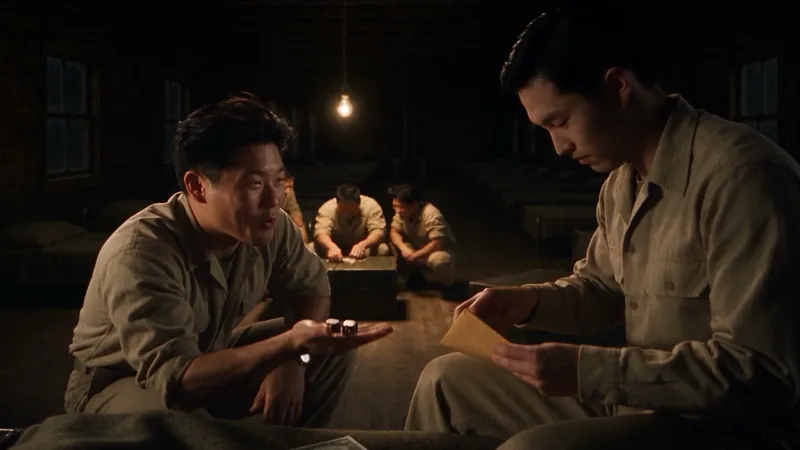
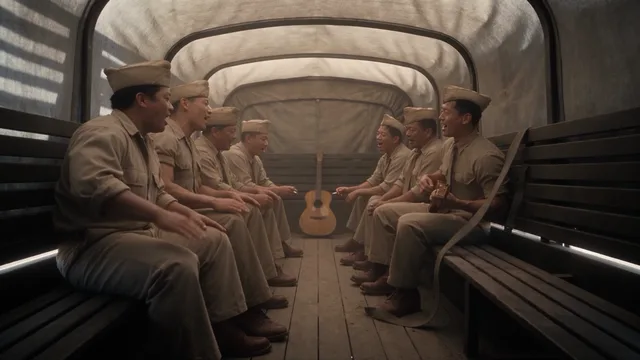
Still from House Money (Sep 2026): Ken and Hiro talking across the barracks under warm bare-bulb light. AI-generated characters.
House Money (Sep 2026) · Higgsfield / Seedance 2.5

poppi: six ads, two audiences, one repeatable system

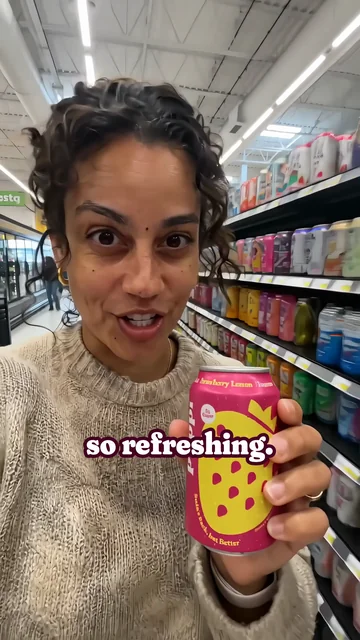
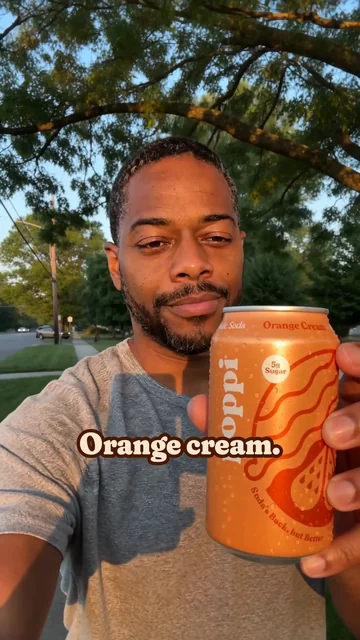
Hold the creator and the real pack shot still, and change the buyer belief each ad targets. Below is one cut from Batch 1 (Strawberry Lemon) beside one from Batch 2 (Orange Cream): two flavors, two audiences, and the same belief-first workflow. Batch 2 ran fresh in 17 minutes of elapsed parallel render time at 260 video credits per finished ad.

Unofficial spec. Not made for or approved by poppi or PepsiCo. Both presenters are AI-generated.

All 6 ads & run log No-code playbook Python + CLI kit

9:16 web cut (720p), 18 s, with sound · AI presenter.
Batch 1 · Unaware

A. “Gatekeeping”

Stop the scroll with a casual grocery-aisle recommendation for someone not looking for a drink.

Spoken lines & audio notes

“Okay, I’ve been gatekeeping my favorite drink for way too long. It’s this prebiotic soda that actually tastes incredible. It has only five grams of sugar and it is so refreshing. It’s poppi. Seriously, go try it. You’re welcome.” Ends on an animated Strawberry Lemon end card (“Soda’s back. · 5g sugar”) with a can-open sound effect.

9:16 web cut (720p), 18 s, with sound · AI presenter.
Batch 2 · Most aware

F. “Went in for milk”

Give him a dry, simple reminder for his next grocery run.

Spoken lines & audio notes

“I went in for milk. I came out with this.” [lifts the can into frame] “Orange cream. Five grams of sugar. Tastes like the one I grew up on.” [shrugs] “And no, I did not get the milk.” Ends on the animated Orange Cream end card with a can-open sound effect.

2005 to 2026 · Animation to physical sets to paid social to AI

The twenty years underneath the AI work

AI didn’t teach me how a shot works, how to pace an edit, or why an ad sells. Broadcast news at KABC-TV (2002 to 2005), studio animation, physical sets, and paid social did.

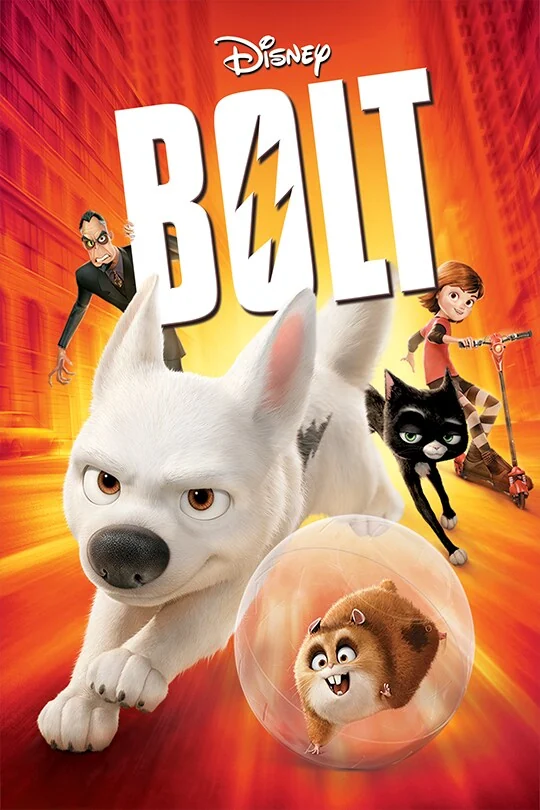
  1. Official theatrical poster for Walt Disney Animation Studios Bolt (© Disney).

    2005 to 2009

    Walt Disney Animation Studios

    Started as a production assistant in look development on American Dog, and finished as Publicity and Art Department Manager on Bolt.

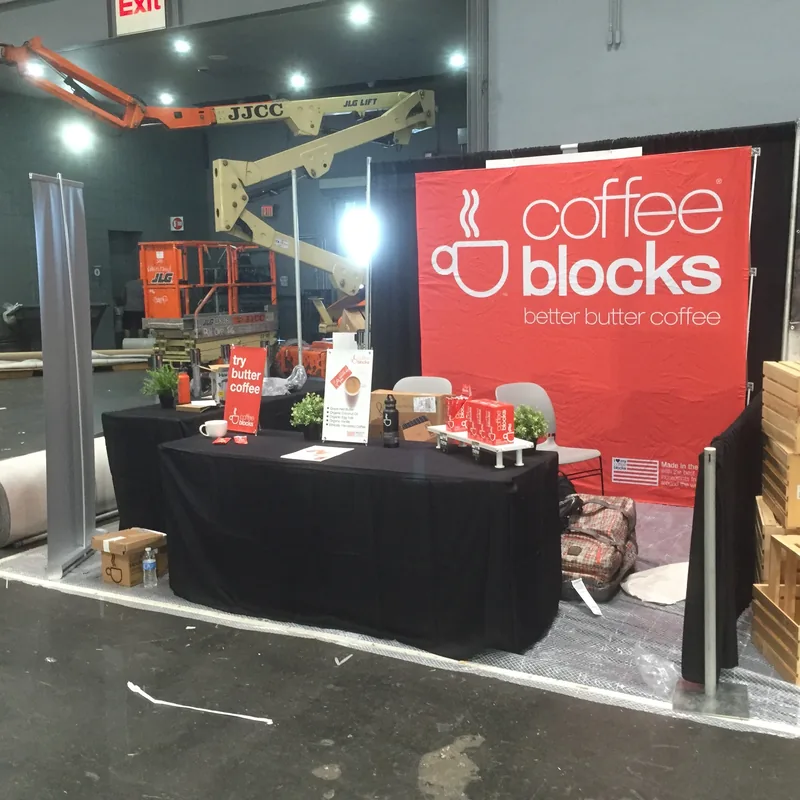
  2. Black-and-white photograph of Tom Meredith at the Coffee Blocks booth in 2016.

    2014 to 2017

    Coffee Blocks

    Invented an instant butter coffee and funded it on Kickstarter ($38,879 on a $35,000 goal). A viral launch film taught me that views are not sales.

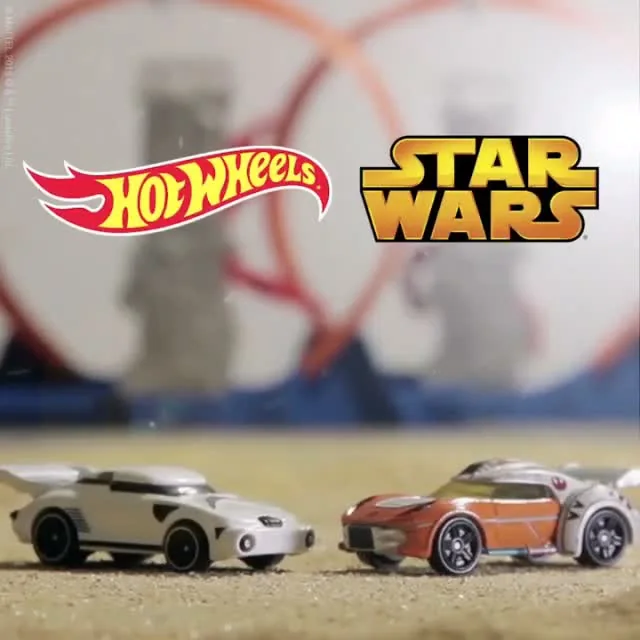
  3. Frame from the Hot Wheels Star Wars launch commercial shot on a 30-foot miniature Death Star trench.

    2015 to 2018

    Sons of Summer

    Supervising producer on promos and branded shoots for Hot Wheels (including a 30-foot miniature Death Star trench), Freeform, Pizza Hut, and Seven Bucks Digital Studios.

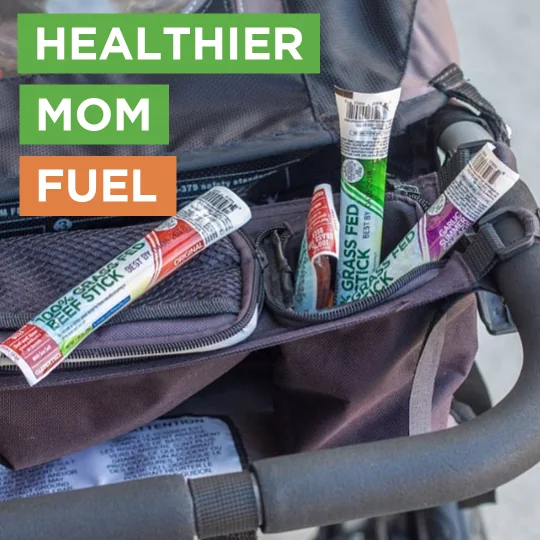
  4. Frame from a Paleovalley social ad made by Tom Meredith at Tier 11.

    2018 to 2025

    Tier 11

    Started as a video producer with unsolicited Legion Athletics recuts and left as a VP after leading creative across 40+ brands.

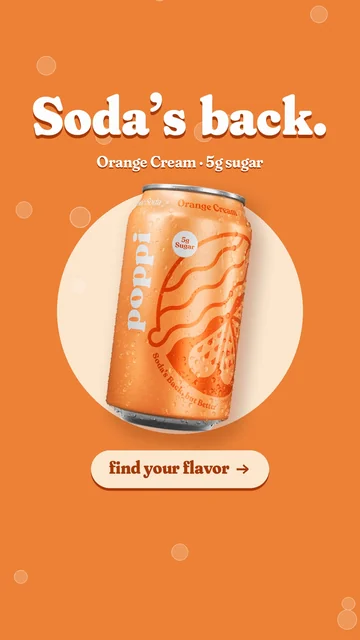
  5. Orange poppi Orange Cream code-animated end card built in Python for Tom Meredith’s 2026 AI UGC spec.

    2026

    AI video & UGC systems

    Directing AI films and repeatable UGC ad workflows using Higgsfield, Claude + Blender, and Python-driven animation.

Legion Athletics recuts Full producing reel (12 films) The complete timeline

16:9 craft sizzle, 24 s, with sound · 14 shots in story order · Higgsfield / Seedance 2.5.
Shot list & audio notes (24 s sizzle)

Fourteen shots in story order across the film’s lighting range: bare-bulb barracks dice game (“Seven! Yeah!”), Hiro close-up (“Then I stake you.”), envelope held under the bulb (“Now he’s in!”), the grab, the fight (“That’s her month! That’s her whole month!”), handwritten address (“Relocation center.”), symmetrical truck interior, rain-soaked camp gate (“Go ahead.”), camp street (“Welcome, boys. We’ve been waiting for you.”), backlit mess-hall steam, pink dusk walk, envelope slipping under the barrack door, vanishing-point street, and the HOUSE MONEY title card. Cut on the beat of the production’s unused ElevenLabs ukulele cue alongside original all-AI production audio, mastered to -14 LUFS.

Own project · Aug to Sep 2026 · 931 generations

House Money: studio production craft in AI film

A three-minute WWII drama about two Nisei soldiers grappling with cultural differences, built for the Higgsfield Global Film Festival. It was my first serious exploration into Disney-level production quality for each department: 931 generations across Seedance 2.5 for motion, GPT Image 2 and Nano Banana Pro for stills, character sheets to hold Ken and Hiro steady across setups, and all-AI audio.

My post-mortem is the best lesson I bring to creative teams: I paid for flashy generations before proving the story. I ran it like an animated feature with storyboards, layouts, Blender previs, and locked stills. Days before the deadline, I watched the assembly, saw the story wasn’t landing, scrapped the cut after spending about a third of my video credits, and reshot using plain director-to-actor language before cutting the final edit myself in Adobe Premiere.

That lesson holds on every project: prove the story in rough boards before spending credits on polish, and lock your characters in stills before generating a frame of motion.

Watch the full 3-minute film & 25 process boards →

9:16 vertical WIP excerpt, 48 s, with sound · Wan 3.0 on Higgsfield.
Spoken lines & sequence notes (48 s WIP)

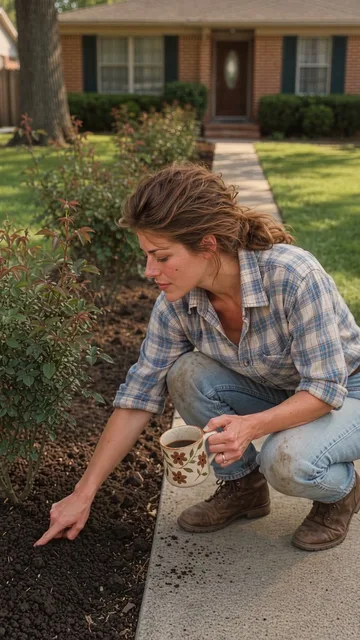
Opens on young Bea crouched beside the rose row with her coffee mug (“Every morning for forty-one years, she walked that row of roses with her coffee in hand”) and walking straight into the 1986 kitchen holding the same mug. Then three mornings in that kitchen across 33 years: 1986 (“It rained overnight, so the girls weren’t thirsty today. I left them be.” / “That’s nice, Bea.”), 2003 (“I gave the girls a bath…” / “That’s nice, Bea.”), and 2019 (“There was black spot on the end one…” / “That’s nice, Bea.”). Closes on “She got sick last winter” (old Bea at the rainy window watching Walt water in a yellow raincoat) and Walt in a suit cutting one red rose: “And died in April. I cut those roses for her casket. Those were the first ones I ever cut.”

Own project · Work in progress · Wan 3.0 on Higgsfield

Her Roses: consistent characters across 33 years

This piece is still in progress, and I’m showing it because it tackles two specific craft challenges. It’s a vertical story drama ad for Petunia (opens in a new tab), my plant-care app, about a widower defending his late wife’s roses at an HOA hearing.

Built using Wan 3.0 via Higgsfield, the main technical challenge was creating consistent characters across three ages (1986, 2003, and 2019) inside the same kitchen layout, then mapping the app onto the generative video in post. This excerpt is the kitchen-to-funeral sequence, cut by an agent to my direction.

About Petunia

9:16 web cut (720p), 53 s, with sound · Spec ad · AI presenter.
Cut notes & hook test details

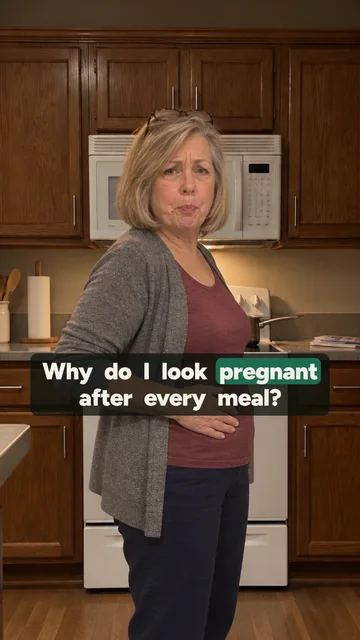
Hook V1 opens on “Why do I look pregnant after every meal?” in a home kitchen, followed by product shots with the real bottle composited onto the label, animated gut graphics, and a branded end card. Hook V3 tests an alternate opening line on the exact same body and lives on the full Emma Relief page.

Spec · Sep to Oct 2026 · Seedance 2.5, ElevenLabs & Claude

Emma Relief: a vertical UGC-style AI ad

A vertical UGC-style DTC spec ad for a digestive supplement brand. I took the supplied script and turned it into the final ad using Seedance 2.5 on Higgsfield, an ElevenLabs voice, and Claude-driven animation, compositing the brand’s real product photo onto the label instead of asking a generator to spell supplement packaging.

I built the character, voice, and kitchen setting from my own creative strategy research, and directed two opening variations on the brand’s supplied script. The presenter is AI-generated, not a real customer, and the spec never ran.

Watch both hook cuts & the full breakdown →

Proposed half-day format for creative teams

How I’d run an AI workflow workshop with a creative team

Anyone can walk into a room, run a polished demo, and leave a team dependent on them. The real goal is walking out knowing their own creatives can produce the next ten belief-driven ads without calling me.

Before stepping in the room: their brief, three ads they wish they’d made, real product photos, brand rules, and the exact claims legal has cleared. Then a focused half-day on their live brief:

  1. Step 1: Break down a reference and pick one audience

    Look closely at one favorite ad together, choose one narrow audience, and write down what that person believes right now. Hour one ends with three ads on paper, each doing a different job.

  2. Step 2: Build the reusable inputs

    One real product photo and one saved creator portrait, uploaded once into Marketing Studio so the face and packaging stay consistent.

  3. Step 3: Roll live on their brief

    Generate the first takes on screen using the short five-part prompt structure, without over-directing the camera.

  4. Step 4: Judge takes in the room

    Run the four-question check together. I actually hope at least one take fails live so the team sees right away that a bad take is normal, easy to spot, and cheap to re-roll.

  5. Step 5: Finish picks and hand over the log

    Captions, a branded end card, 9:16 and 4:5 exports, a line-by-line check against legal’s cleared claims, and a run log tracking pass rate and real cost per finished ad.

One week later: sit down and read their run log together. Instead of debating AI theory, the team looks at its own pass rate, its own real cost per finished ad, and fixes whatever snagged.