House Money: a short film for the Higgsfield Global Film Festival.
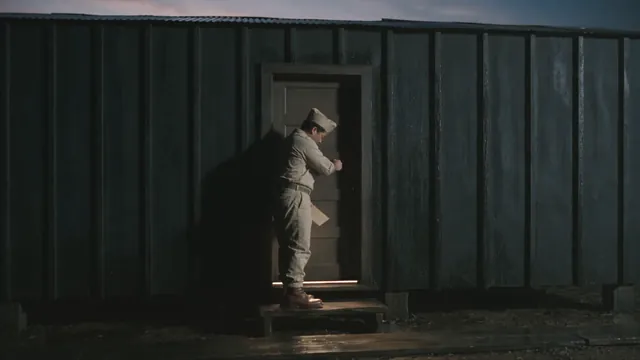
I directed it. The story is mine. I set the look, directed the AI models that made every picture, and cut the final myself.
The film
Arkansas, 1943. Two Nisei soldiers grappling with cultural differences: Ken’s pay envelope is spoken for, and Hiro bets it anyway, leaving himself to carry what is left to a door he cannot bring himself to knock on.
The festival’s page for the film (opens in a new tab)How it was madeThe bet on the last day
Aug to Sep 2026
The festival and the film
Higgsfield runs a website for making pictures and video with AI. In August 2026 it opened the Higgsfield Global Film Festival. The festival asked for a film of three minutes or more, made in Higgsfield, with invented people.
House Money is my entry, a three-minute WWII drama about two Nisei soldiers grappling with cultural differences. It is set in 1943. Ken and Hiro are stationed at Camp Shelby in Mississippi while Ken’s family is held in a camp in Arkansas. Ken saves his pay for them. Hiro bets it in a dice game. The story and every person in it are invented.
It was my first serious exploration into Disney-level production quality for each department in an AI film: story first, then storyboards, character and location design, props, Blender blocking, and 931 generations across Seedance 2.5, GPT Image 2, and Nano Banana Pro. I built a crew of AI agents, assigning each model a department role with clear instructions, and directed every picture from words I wrote or approved.
My post-mortem is the best lesson I bring to creative teams: I paid for flashy generations before proving the story. About a third of my video credits were already spent before I restarted days before the deadline and cut the final edit myself in Adobe Premiere.
- Step 1: 10 to 13 Aug The story From a combat story to a dice game, a pay envelope and a door.
- Step 2: 13 Aug Storyboards The first act, in 11 drawings.
- Step 3: 13 Aug to 6 Sep Characters, places, props A sheet for each character. A drawing, then a painting, of each place.
- Step 4: 28 Aug to 11 Sep Blocking Grey shapes in Blender: where everyone sits, where the camera goes.
- Step 5: 13 Sep The first cut Shots made overnight and cut together. It wasn’t a story yet.
- Step 6: The bet: 14 Sep The rewrite A new story, with one round of shots left.
- Step 7: 15 Sep The final cut Cut by me in Premiere, and submitted 19 minutes before the deadline.
10 to 13 Aug 2026
The idea
My first idea was a combat story.
Yeah… this feels way more cliche than our previous version. Idk. We need to go back to the start.
The next day I pitched a smaller one. Hiro, a soldier from Hawaii, takes his friend Ken’s pay envelope and bets it in a dice game. The envelope was going to Ken’s family in the camp in Arkansas. After the fight Hiro reads the address, and on a visit to the camp he has to take what’s left to their door.
the theft and gambling are less of a crime and more misplaced “let me help you have fun”
13 Aug 2026
Storyboards
A storyboard is a drawing of each shot, made before anything is filmed. The first act was drawn in eleven boards on 13 August, from the dice game to Hiro reading the address. Here are seven of them, and the first sheet for the two leads.
-
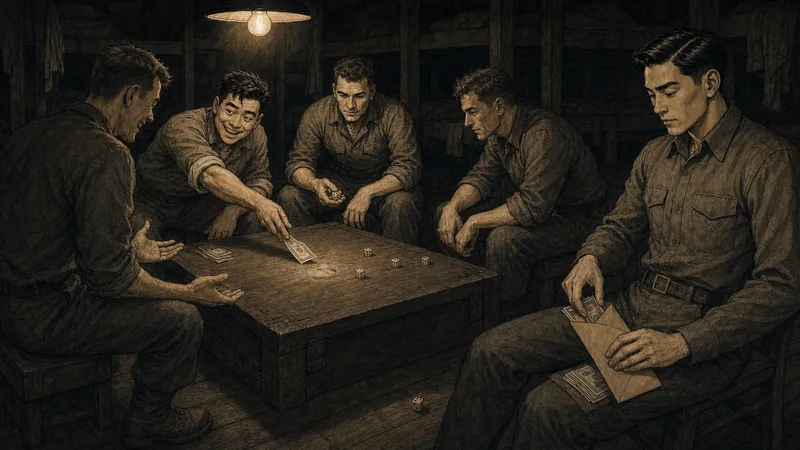
Storyboard 1 of 11: the dice game -
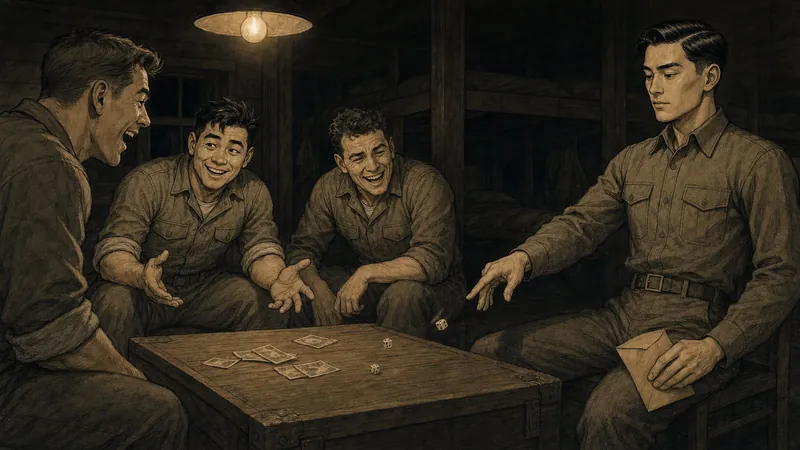
Storyboard 2 of 11: Hiro waves Ken over -
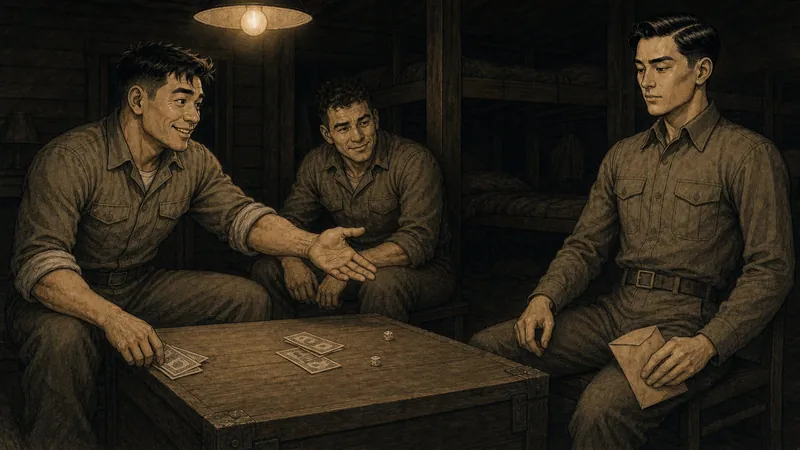
Storyboard 5 of 11: Ken says no -
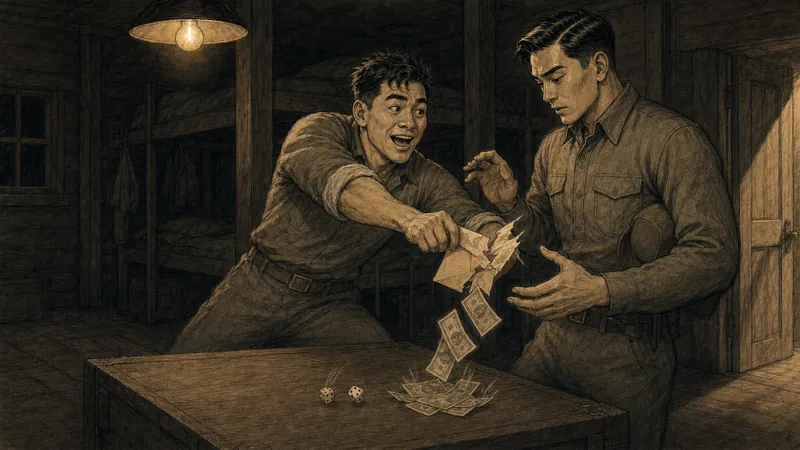
Storyboard 8 of 11: Hiro grabs the envelope -
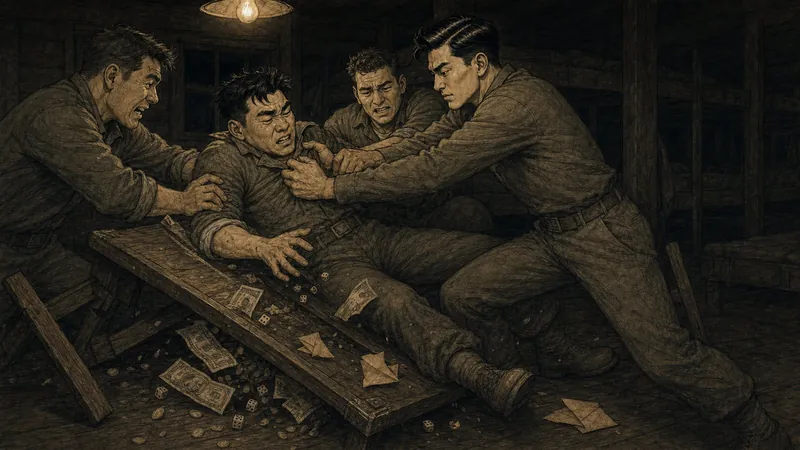
Storyboard 9 of 11: the fight -
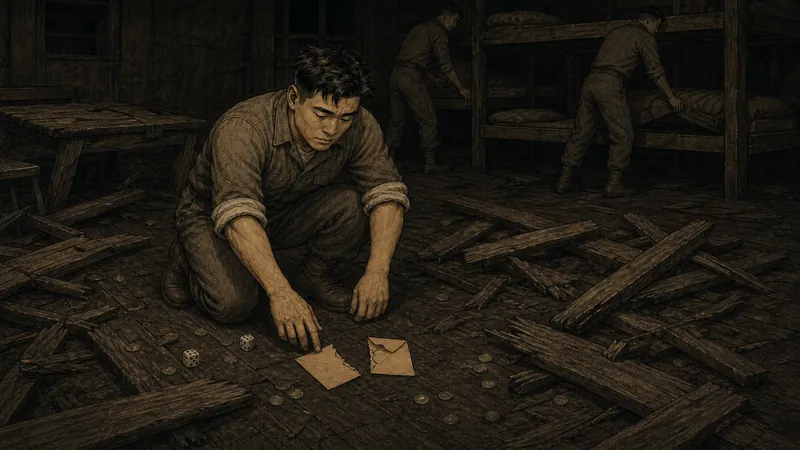
Storyboard 10 of 11: the broken table -
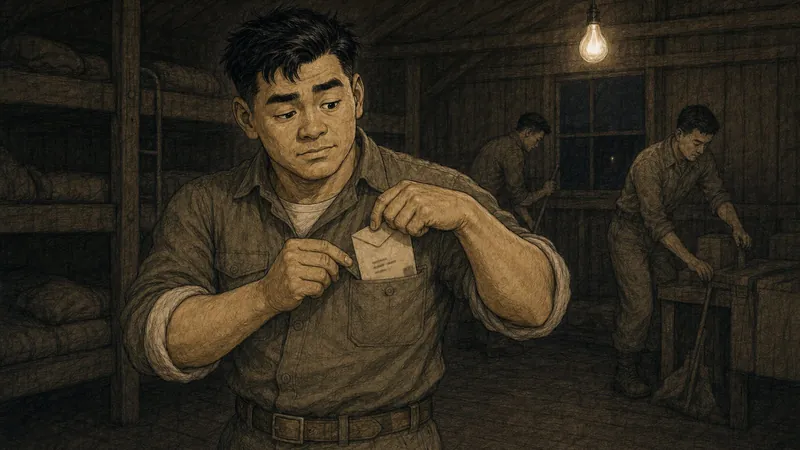
Storyboard 11 of 11: Hiro reads the address -
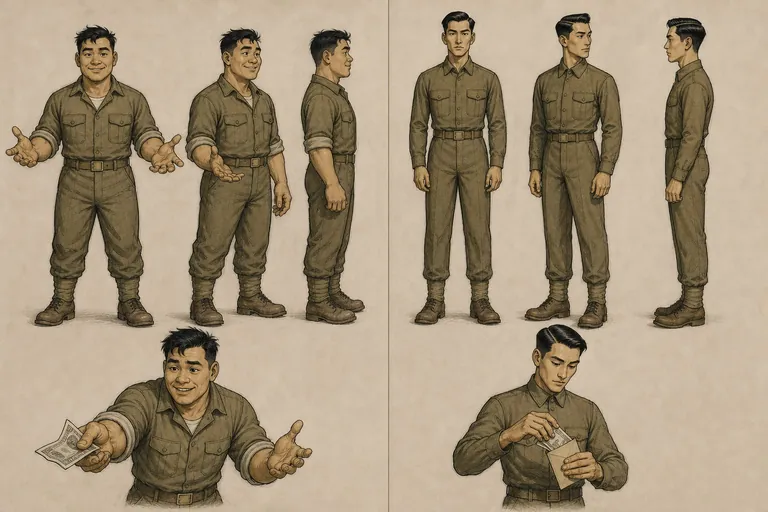
The first sheet for Hiro and Ken, drawn the same day
we’re following the pixar methods. boil the ocean, do the right things the right way. no short cuts.
13 Aug to 6 Sep 2026
The people and the places
Every character, room and prop was designed before a single shot of the film was made. An AI model will draw a slightly different face every time unless it has something to hold to, so Ken and Hiro each got a character sheet: the same man from the front, the side, the back and close up.
I want everything to be unapologetically authentic.
-
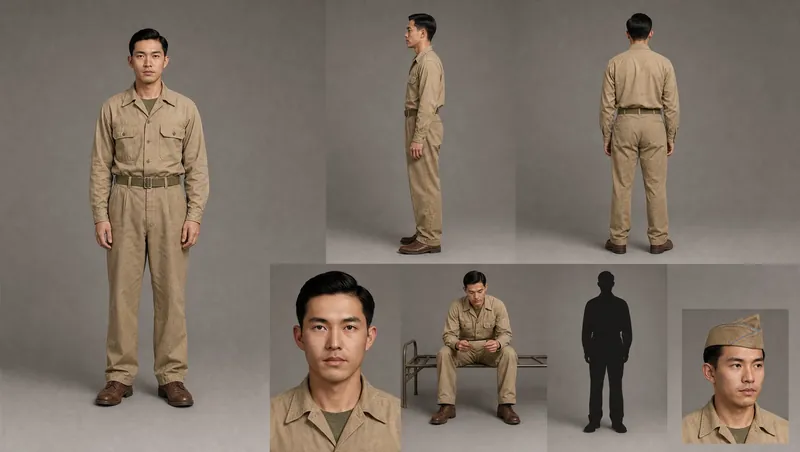
Ken’s character sheet -
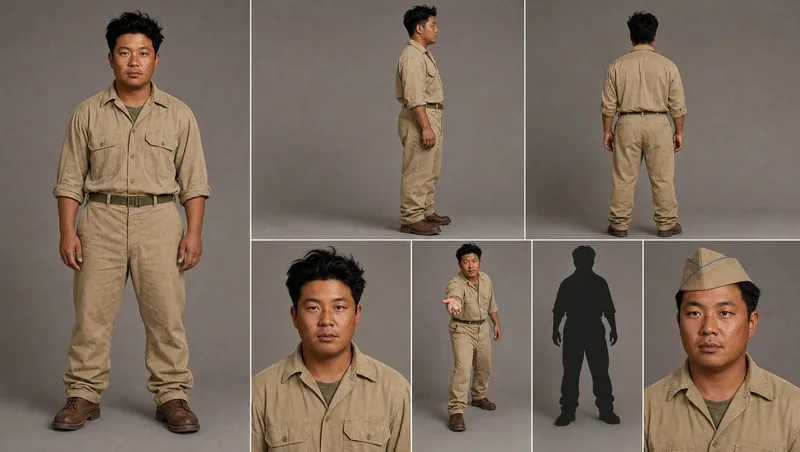
Hiro’s character sheet
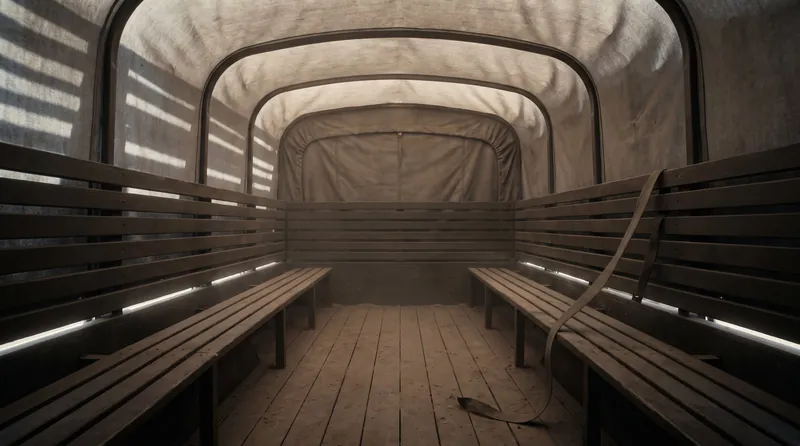
Each place got a line drawing first, to fix where the walls, the doors and the furniture are. Then it got a painted version in the film’s light. Three of the places, each as a drawing and then a painting:
-
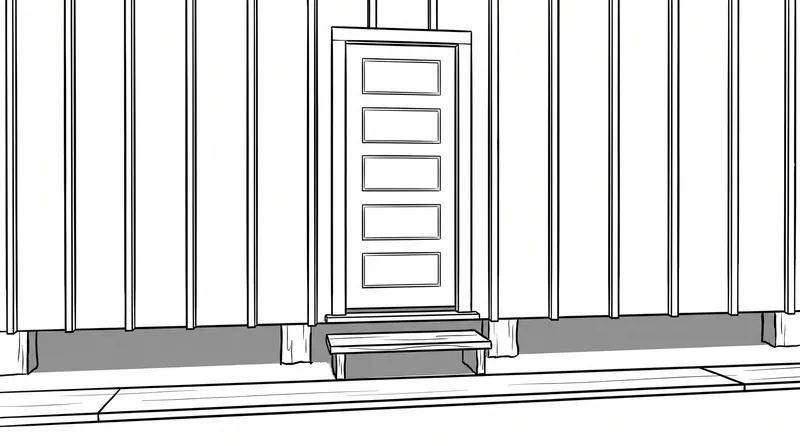
The door: the line drawing -
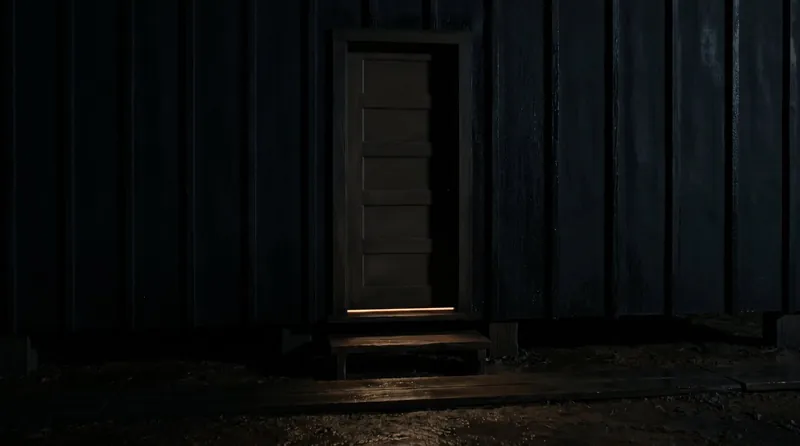
The door: the painted version -
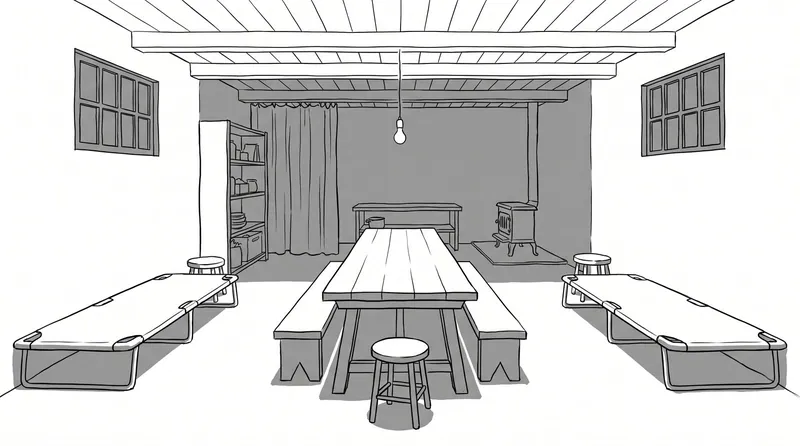
The meal room: the line drawing -
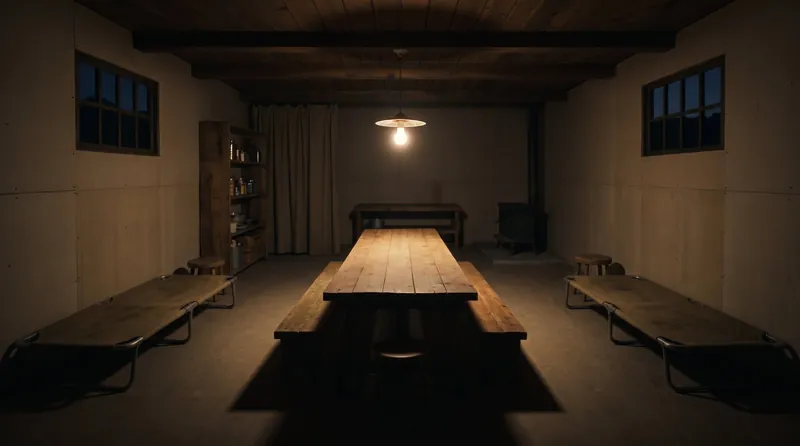
The meal room: the painted version -
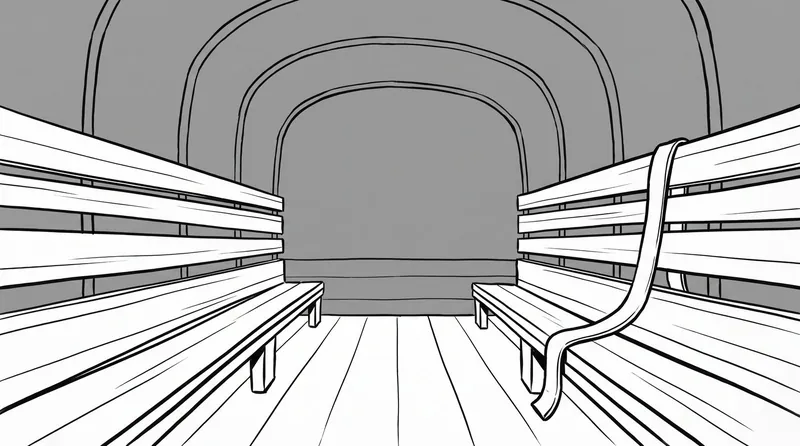
The back of the truck: the line drawing -
The back of the truck: the painted version
-
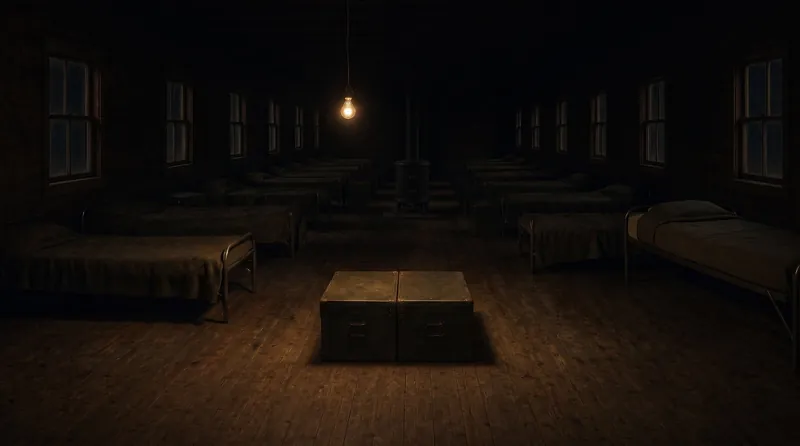
The barracks at night, where the dice game happens -
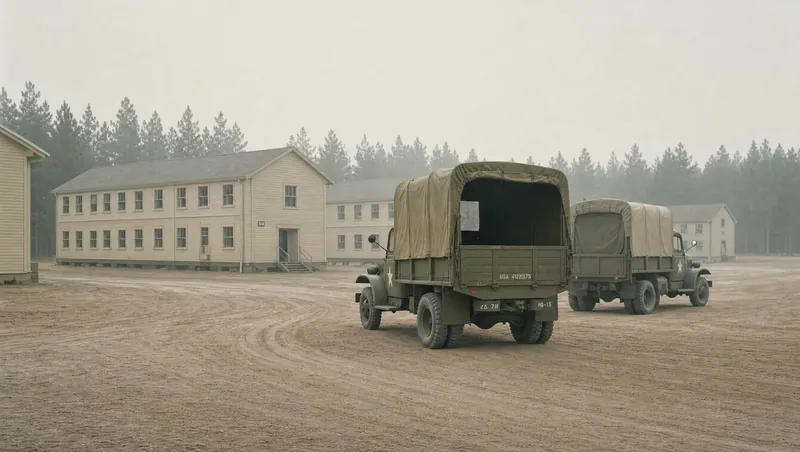
Camp Shelby, the motor pool
The envelope carries the story, so its address is written out by hand, to a family I made up.
I think we need to use real writing… it might be illegible in the shot and that’s fine, but it won’t trigger people’s “fakeness” reactions.
-
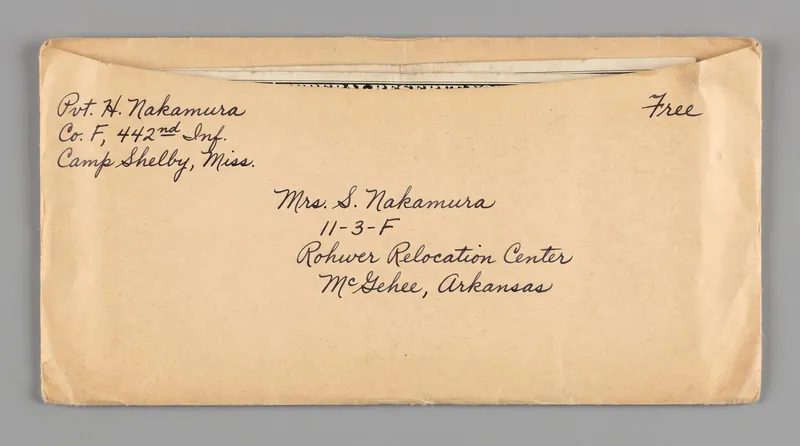
The pay envelope, front and back -
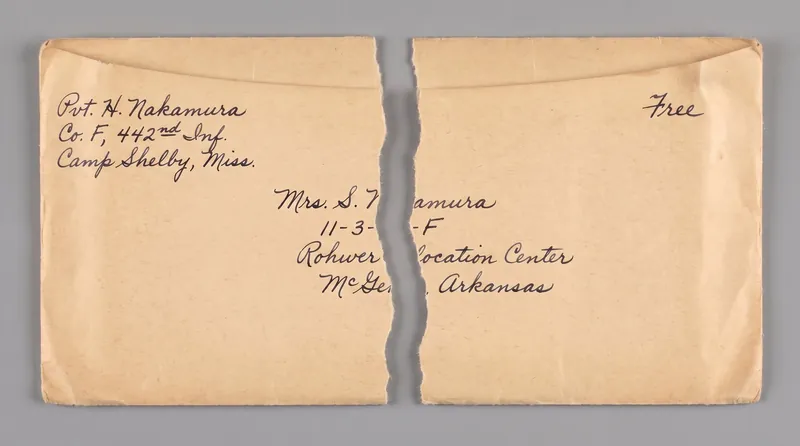
The envelope after the fight -
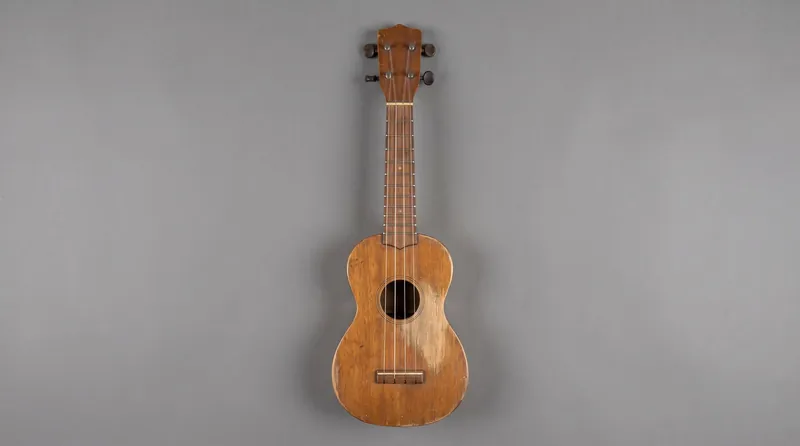
Hiro’s ukulele -
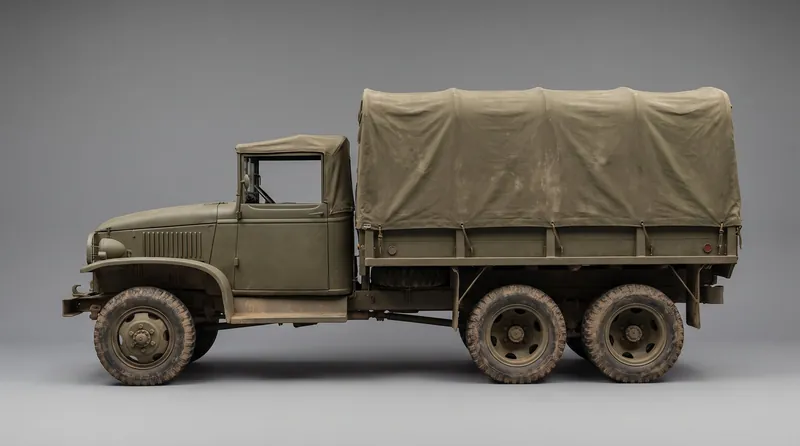
The army truck that takes them to the camp
28 Aug to 11 Sep 2026
Blocking
Blocking is working out where everyone stands and where the camera goes before you shoot. I blocked the whole film in grey shapes in Blender, a 3D program, and gave those layouts to the model as a guide. In the first motion tests the colours of the block figures came through on the uniforms.
-
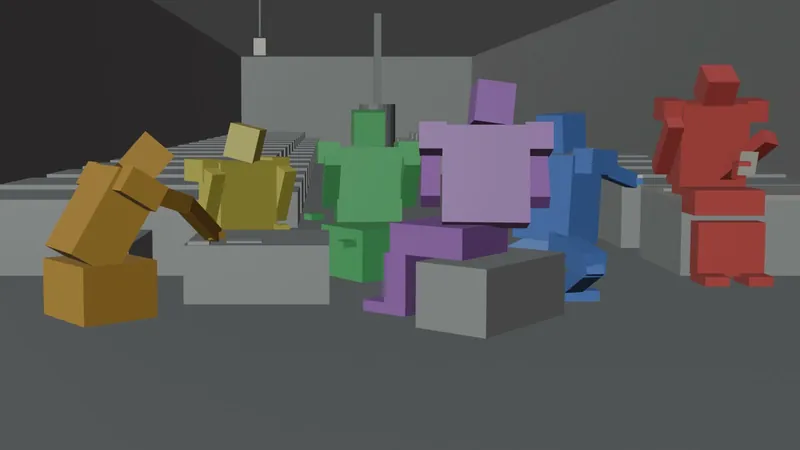
The dice game, blocked in grey shapes in Blender -
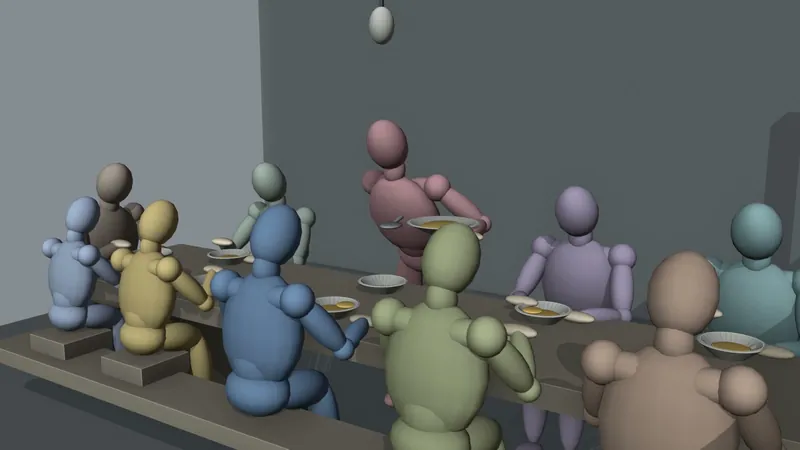
The meal with the family, blocked -
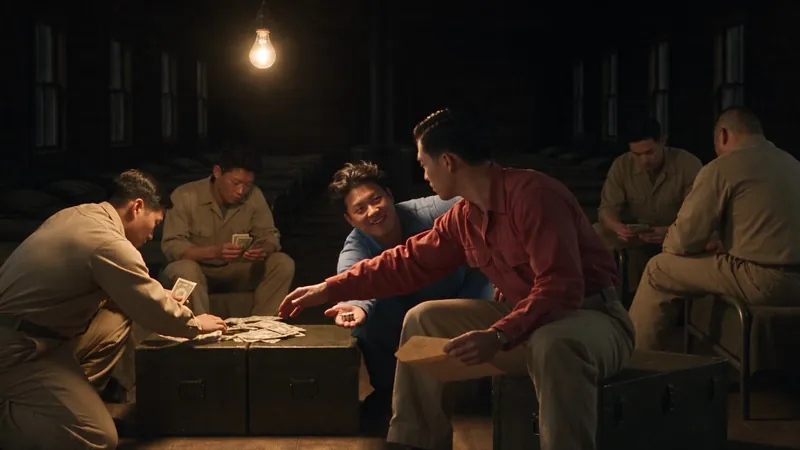
A test shot: the blocking colours came through on the uniforms -
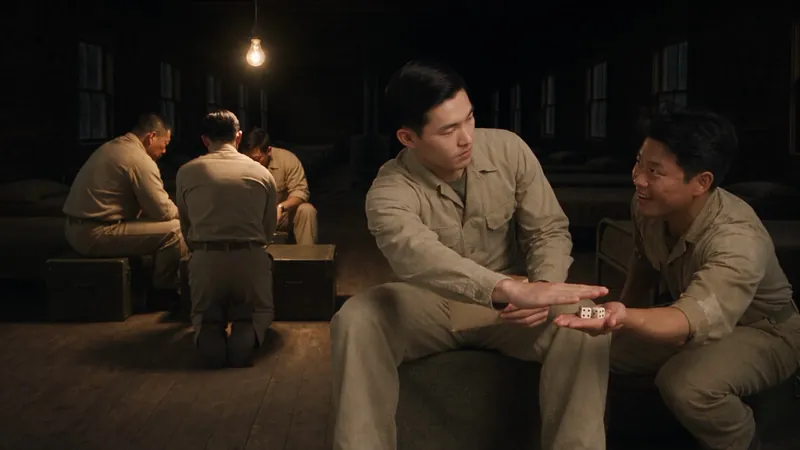
A test shot of Ken and Hiro
Clearly, the colors got messed up on the outfits.
I think we’ve learned our lesson about previs. It’s really only for blocking and camera movements.
13 and 14 Sep 2026
The first cut
On 13 September the shots were generated through the night and put together into the first full cut. I watched it the next morning.
it is quite terrible in my opinion. […] right now it seems like a random series of shots in a chronological order. It is not a story that the audience can understand.
That was the bet. The deadline was less than two days away and there was one round of shots left. I could polish the cut I had, or throw out the story and write a new one for that last round. I threw it out.
Nothing we have done is canon at this point.
I also changed how I wrote to the model, so it read more like directing an actor.
It seems that the more specific you are with Seedance, the more it tries to match that. If you are a bit more open, it acts more human and lets them act more naturally.
15 Sep 2026
The last day
The next cut was closer, but it still didn’t say where these men were.
It’s not really clear what’s going on, who these people are, or that they’re in an internment camp.
So the film got its location cards, the address in close-up, and the truck driving in past the guard tower.
okay, let’s just stop. I’ll work on this for now.
I cut the final edit myself in Adobe Premiere and submitted it 19 minutes before the deadline. Eight frames from that cut:
-
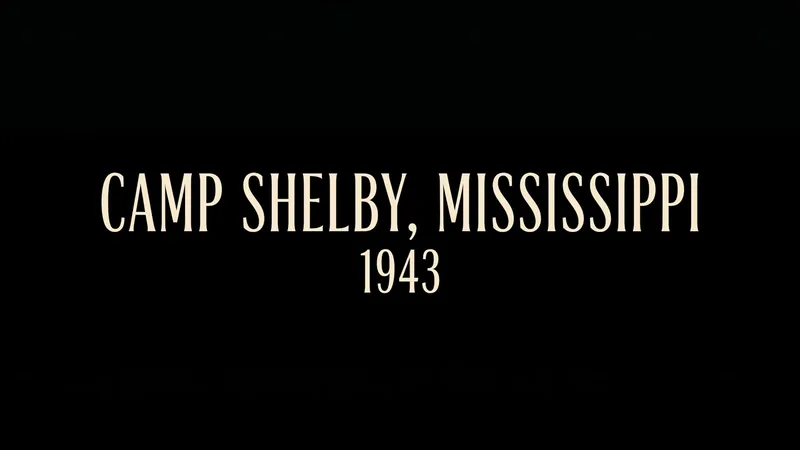
From the final cut: the opening card -
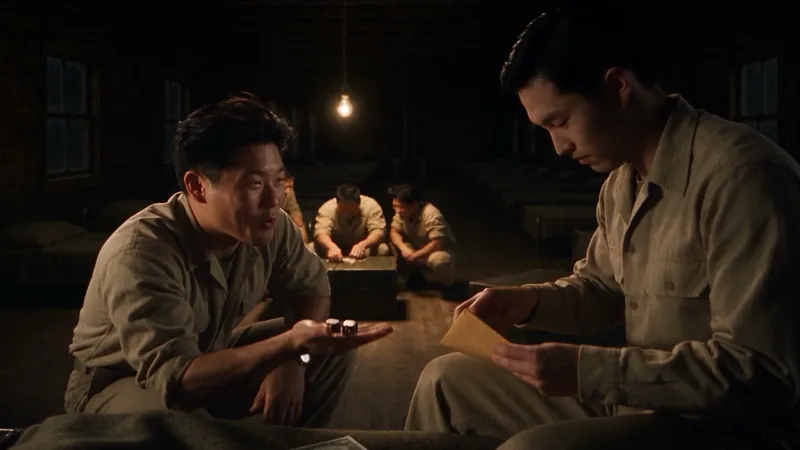
From the final cut: Hiro and Ken at the game -
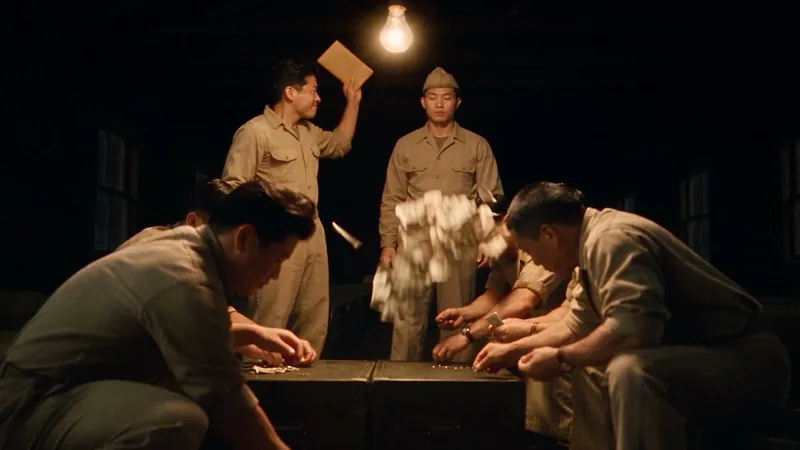
From the final cut: the bet -
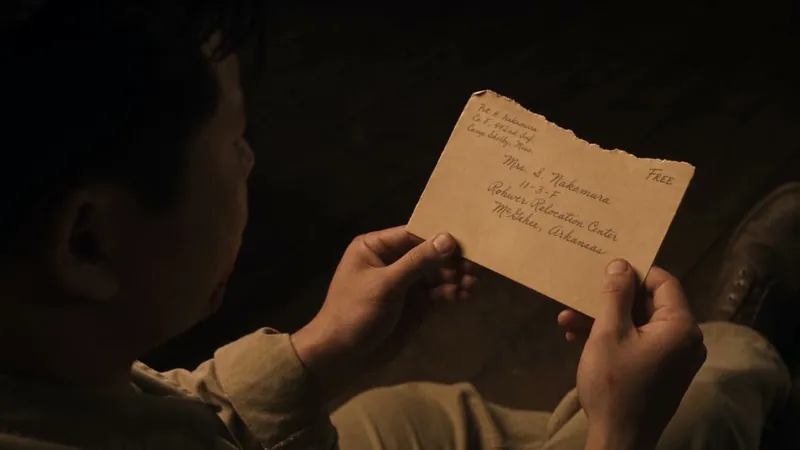
From the final cut: the address -
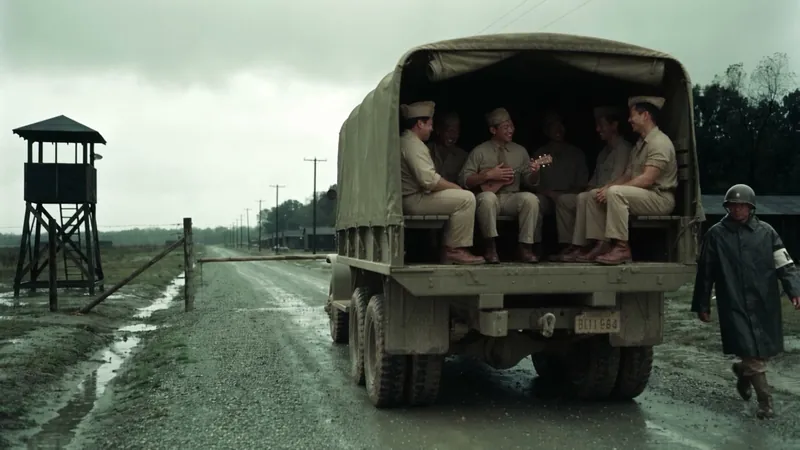
From the final cut: the gate of the camp in Arkansas -
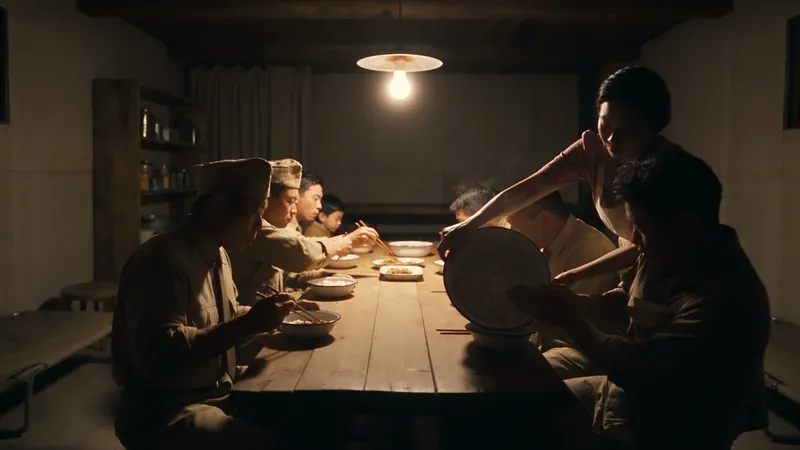
From the final cut: the meal -
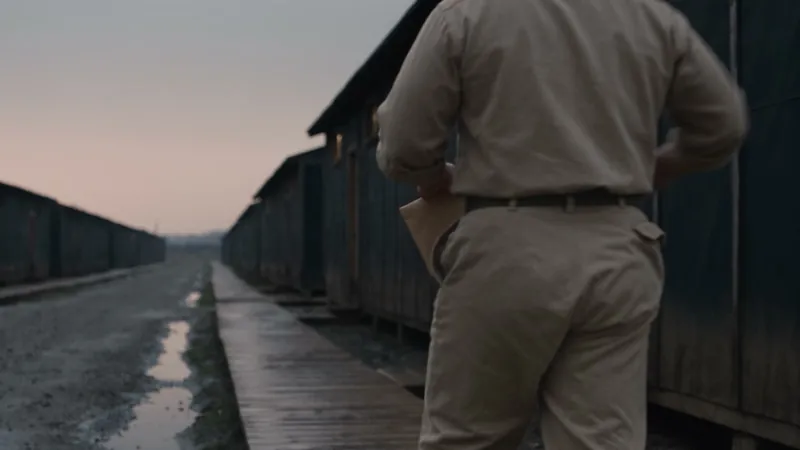
From the final cut: the walk to the door -
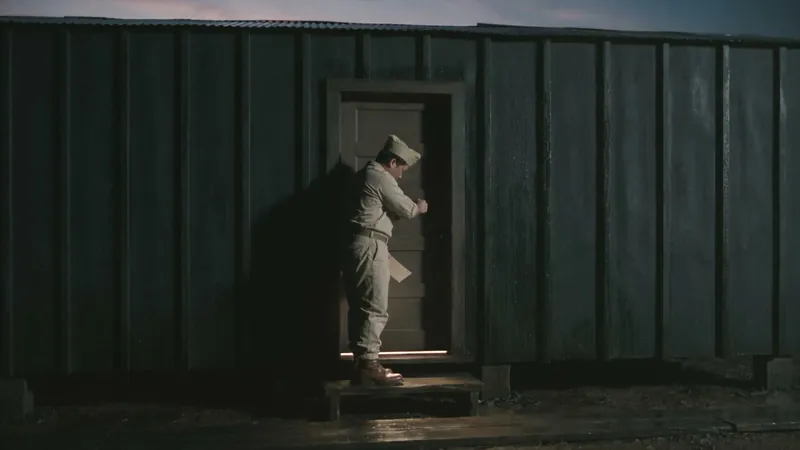
From the final cut: the door
We crushed the viz dev on these and the character design. It looks so good and authentic.
I don’t share it because it didn’t come out exactly as I’d hoped, and I don’t share it because I’m proud of it. I share it because it’s the start, the beginning.
Process
- The story: a dice game, a pay envelope and a door.
- The look: storyboards, a sheet for every character, a layout and a plate for every place, the props.
- The direction: every take was made in Higgsfield, from words I wrote or approved.
- The final cut, in Premiere, on the last day.
It is fiction, and every person in it is invented. Made in Higgsfield Cinema Studio: Seedance 2.5 for the motion, GPT Image 2 and Nano Banana Pro for the stills. Blocked in Blender. The agents I directed ran on Claude and GPT. Cut in Premiere.